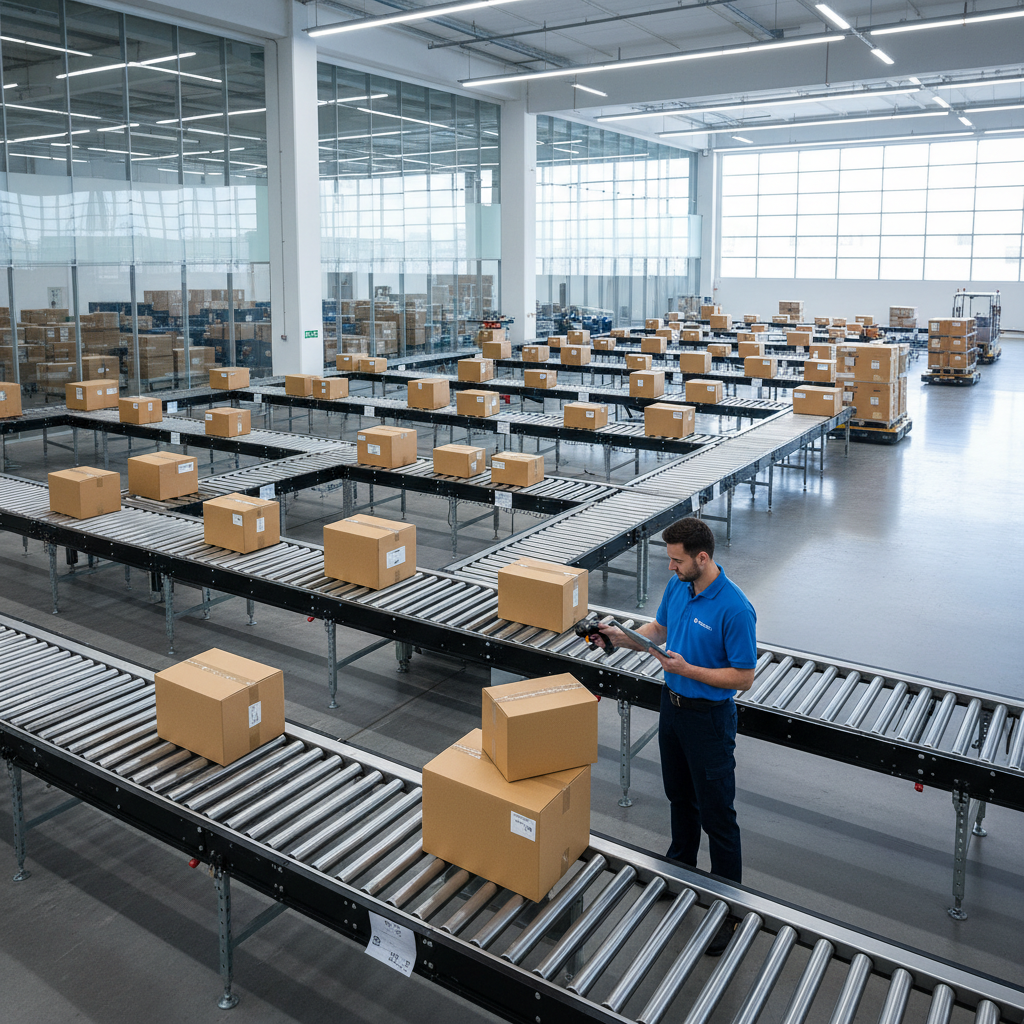
Demystifying the ‘Customs Wall’ When Shopping from China
For many international shoppers, the allure of China’s massive marketplaces like Taobao, Weidian, and 1688 is undeniable. You can find high-quality fashion, unique electronics, and specialized equipment at a fraction of local retail prices. However, there is often one major hurdle that causes hesitation: customs.
The fear of hidden taxes, seized packages, or complex paperwork is the primary reason many buyers abandon their carts. But here is the truth: importing from China is a standard procedure that thousands of people successfully navigate every day. The key is understanding the rules of the game. In this guide, we will break down the complexities of importing from China customs duties and show you how CNGoodsBuy acts as your expert partner to ensure your parcels arrive safely and cost-effectively.
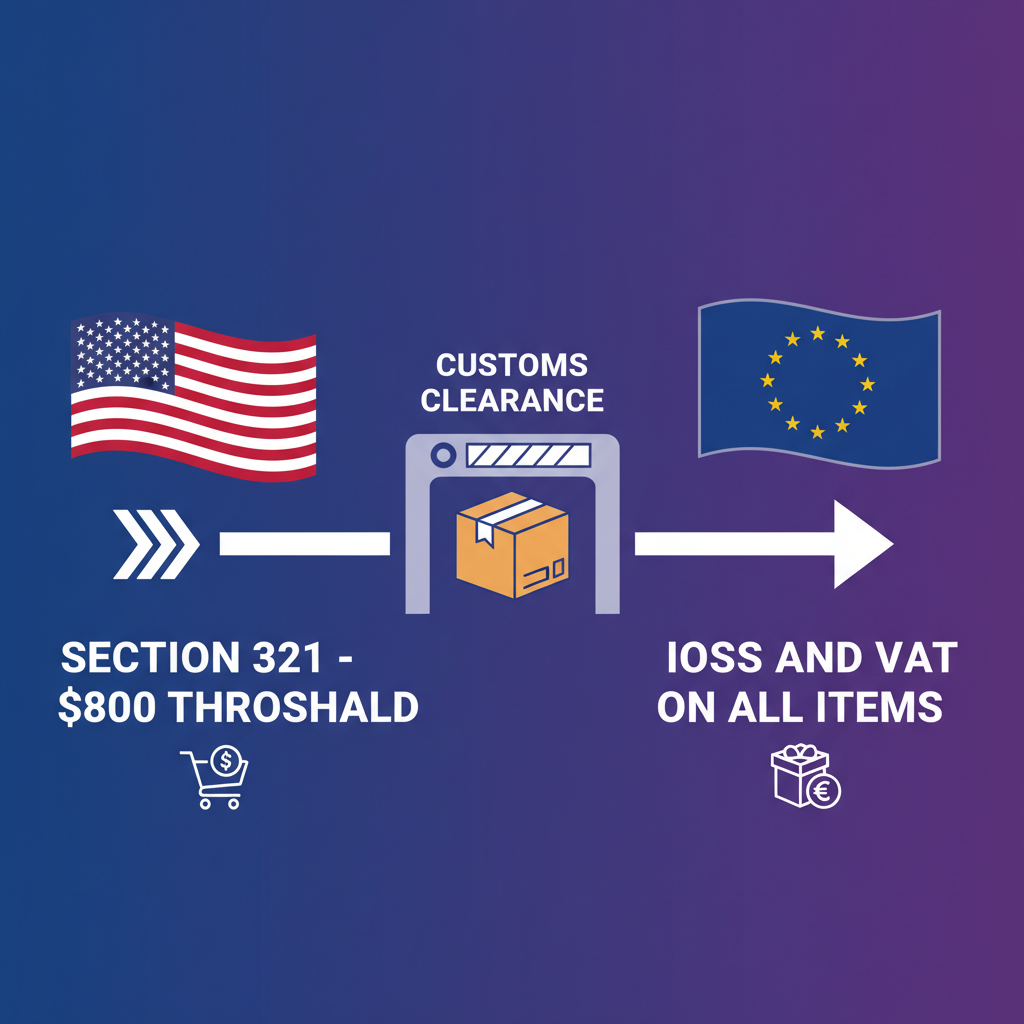
Understanding Import Duties and De Minimis Thresholds: US vs. EU
The first step in planning your haul is knowing your country’s “De Minimis” threshold. This is the valuation amount below which goods can be imported without paying duties or taxes.
The United States: Section 321
The US has one of the most generous import policies in the world. Under Section 321, most shipments with a fair retail value of $800 or less can be imported duty-free. This is why many US-based shoppers can order large hauls from China without ever seeing a customs bill. However, if your package exceeds this amount, you may be subject to various tariffs depending on the product category.
The European Union: The IOSS System
In July 2021, the EU removed its previous 22 EUR de minimis threshold. Now, VAT (Value Added Tax) is applicable on all commercial goods entering the EU, regardless of value. To simplify this, the EU introduced the Import One-Stop Shop (IOSS). When you ship via certain lines with CNGoodsBuy, the VAT can often be handled upfront or managed through specific “Tax-Free” shipping routes that use a triangular shipping method (entering the EU via a low-duty port like Germany or the Netherlands before reaching your doorstep).
The United Kingdom: The £135 Rule
The UK follows a similar logic to the EU but with a threshold of £135. Below this amount, VAT is usually collected at the point of sale (or handled by your agent). Above this amount, both VAT and Customs Duty may apply, which are collected by the courier before delivery.
Prohibited and Restricted Items: What You Can and Can’t Ship
When importing from China, not every item found on a marketplace is eligible for international air mail. Customs agencies have strict safety and legal protocols. Understanding these categories prevents your haul from being returned or destroyed.
- Prohibited Items: These are strictly forbidden. They include explosives, flammable liquids, pressurized canisters (like hairspray), illegal drugs, and weapons.
- Restricted Items (Sensitive Goods): These items require specific shipping lines. They include:
- Built-in Batteries: Phones, laptops, and tablets must be shipped via “Electronic-friendly” routes.
- Liquids and Pastes: Cosmetics, creams, and inks are often restricted to specialized postal lines.
- Branded Goods: Items featuring famous logos require careful handling to avoid intellectual property issues at the border.
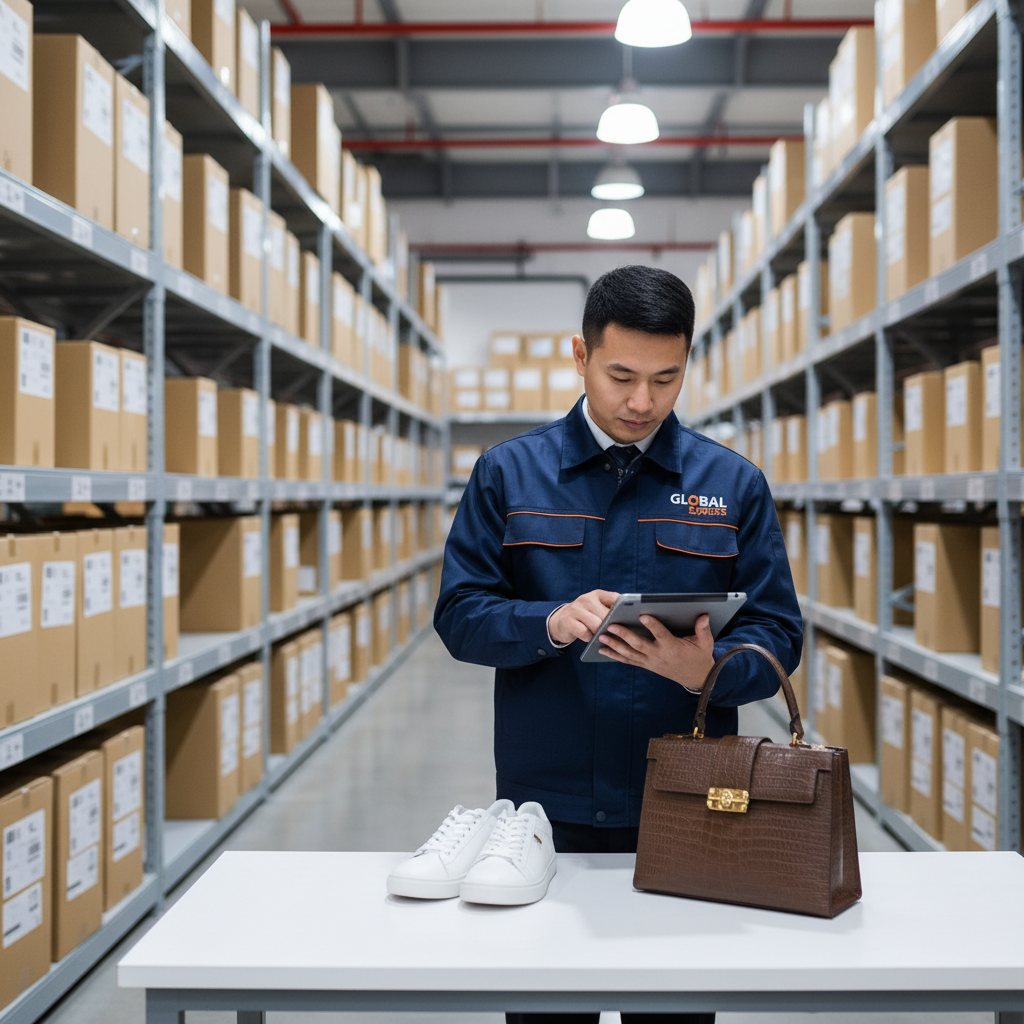
At CNGoodsBuy, our warehouse team automatically flags restricted items during the inspection process. If you buy something that cannot be shipped via your preferred method, we will notify you and suggest an alternative route that specializes in “Sensitive Goods.”
How CNGoodsBuy Simplifies Customs Documentation
One of the biggest advantages of using a professional shopping agent is the management of Customs Declaration. Every international parcel must have a declaration form (like the CN22/CN23) that lists the contents and their value.
If you were to do this alone, a mistake in the commodity code or an unrealistic valuation could lead to a customs audit. CNGoodsBuy simplifies this by:
- Automated Invoicing: We generate the necessary commercial invoices based on your order history.
- Declared Value Guidance: We provide suggestions for “safe” declaration ranges based on your destination country. For example, declaring a 10kg box as having a $10 value is a red flag; we help you find the “sweet spot” that minimizes tax risk without triggering an inspection.
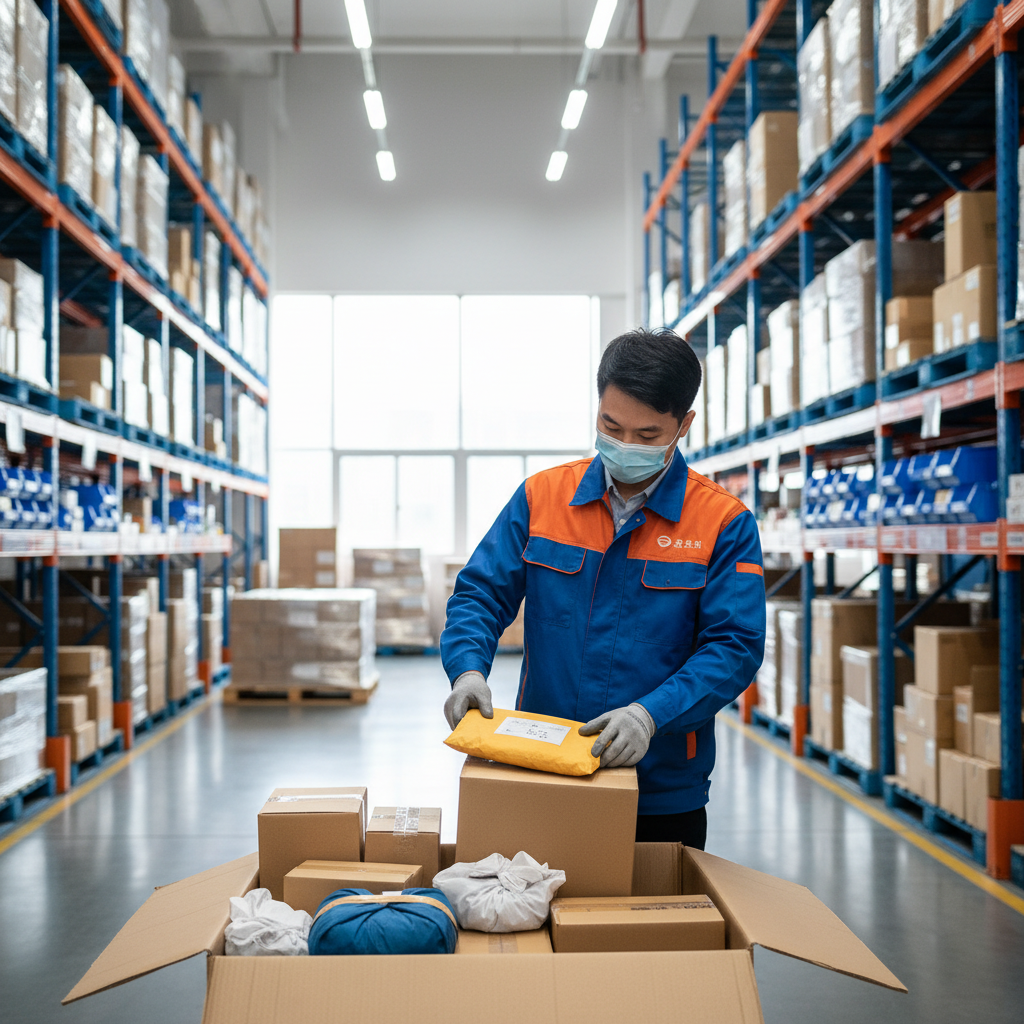
- Professional Packing: Customs officers are more likely to inspect messy, poorly taped boxes. We use high-quality industrial packaging, moisture-proof film, and corner protectors to ensure your parcel looks professional and secure.
Strategic Consolidation: Minimize Tax Exposure and Inspection Risks
Shipping items one by one is not only expensive but also increases the number of times your name appears in customs databases. Consolidation is the secret weapon of the savvy importer.
By grouping multiple purchases from different Taobao or Weidian sellers into a single box, you can:
- Optimize Weight: Reach the more efficient weight brackets for premium couriers like DHL or FedEx.
- Use Tax-Free Lines: Many specialized “Tax-Free” lines have a minimum weight requirement (e.g., 2kg). Consolidation allows you to reach this threshold and use routes that bypass traditional customs tax hurdles.
- Reduce Handling Fees: You pay one “international shipping fee” rather than ten.
However, be careful not to make the box too large. In most cases, keeping parcels under 10kg is a good rule of thumb to avoid the “commercial shipment” scrutiny that comes with massive crates.
Common Customs Myths and How to Avoid Delays
Myth 1: “Marking the package as a ‘Gift’ avoids all taxes.”
This is outdated advice. Customs officers are well aware of this tactic. In fact, marking a commercial purchase as a gift can sometimes trigger more scrutiny. It is better to provide an accurate, reasonable commercial declaration.
Myth 2: “Customs doesn’t check small packages.”
While they don’t check every package, they use X-ray scanners and random sampling. A small package with a high-density item (like a gold watch or a heavy engine part) will still be flagged.
Myth 3: “If my package is seized, I lose everything.”
In many cases, if a package is flagged for a valuation issue, you simply need to provide a proof of payment (like a screenshot from your CNGoodsBuy dashboard) to clear the item. Total seizures are rare and usually only happen for prohibited items or blatant counterfeit trafficking.
Conclusion: Shop with Confidence
Importing from China doesn’t have to be a gamble. By understanding the de minimis thresholds of your home country and leveraging the expertise of a dedicated agent, you can shop with total peace of mind. At CNGoodsBuy, we take the guesswork out of the process, providing the documentation, packing, and shipping expertise you need to get your items from the factory to your front door without the headache.
Ready to start your next haul? Click here to place a manual order and let us handle the logistics for you.
Frequently Asked Questions
Q: What happens if I have to pay customs duties?
A: If your package exceeds the threshold, the courier (e.g., DHL, UPS, or your local postal service) will contact you via email, SMS, or a physical note. You can usually pay the balance online through their official website to release the package for delivery.
Q: Does CNGoodsBuy offer insurance against customs seizure?
A: Yes, we offer various insurance packages that cover lost parcels and, depending on the shipping line selected, certain customs-related issues. We highly recommend insurance for high-value hauls.
Q: How long does customs clearance usually take?
A: In most major countries, clearance takes between 24 and 72 hours. If your package is held longer, it may be due to a backlog at the port or a request for additional documentation.