The Market Opportunity: Why Aesthetic Ceramics and Sustainable Tableware are High-Margin Winners
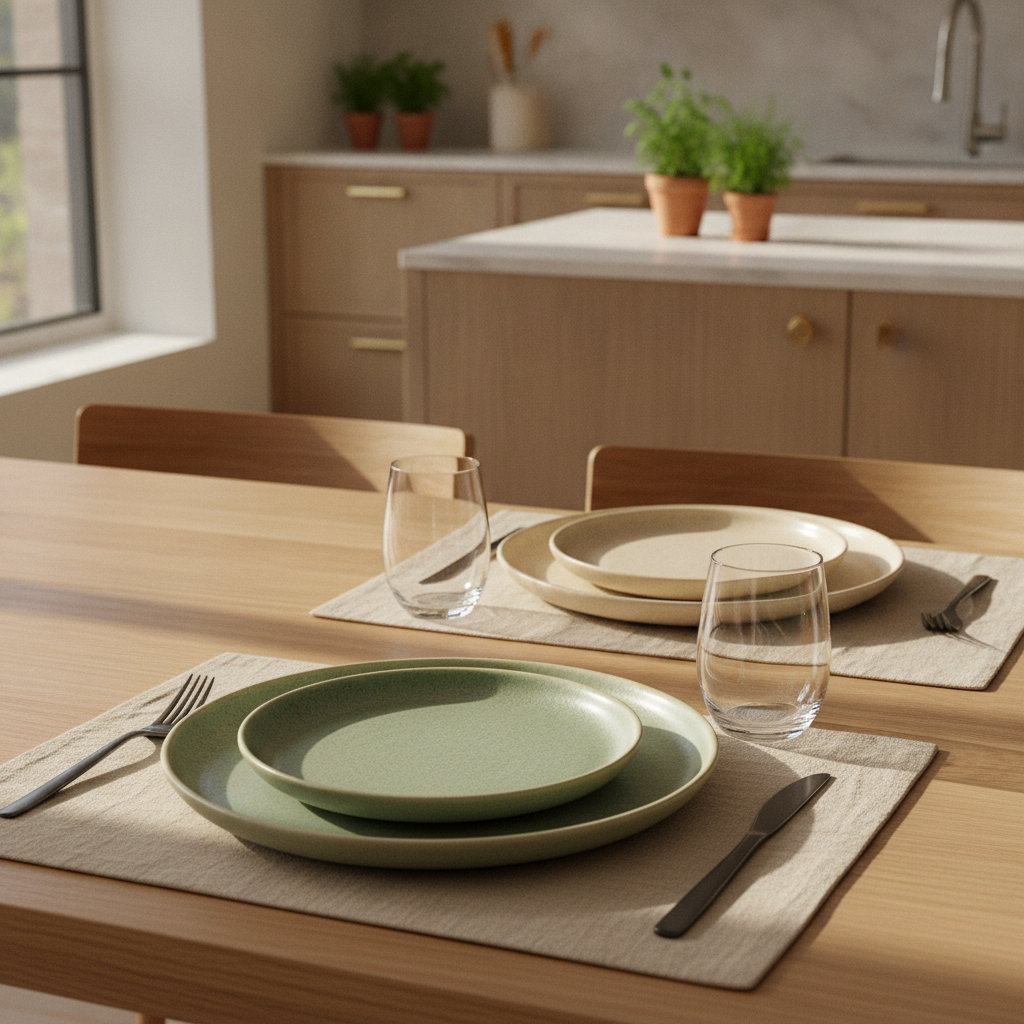
In the world of interior design and home staging, the “Instagrammable” kitchen is no longer a trend—it is a standard. From the minimalist ‘Japandi’ aesthetic to the rustic charm of hand-thrown stoneware, consumers are increasingly willing to pay a premium for tableware that tells a story. For boutique owners in the US, UK, and EU, this presents a massive opportunity. However, the secret to maintaining a 300% to 500% markup lies in the supply chain.
While local wholesalers often mark up prices significantly, sourcing ceramic dinnerware from 1688 allows you to bypass middleman margins and tap directly into the manufacturing heart of Chaozhou and Jingdezhen. On 1688.com, a high-quality, matte-glazed dinner plate might cost 12-18 RMB ($1.60 – $2.50 USD), whereas the same item retails in Western lifestyle boutiques for $25 to $45. By focusing on sustainable, lead-free, and aesthetically unique ceramics, you can position your brand as a premium curator while keeping your COGS (Cost of Goods Sold) remarkably low.
Finding the Right Suppliers: How to Filter for Export-Grade Ceramic Factories on 1688.com
1688 is a vast ecosystem, and not every vendor is equipped for the standards of a Western boutique. To succeed, you must filter for manufacturers that understand international quality requirements. Here is how to navigate the platform effectively:
1. Use the Right Keywords
Instead of searching for generic terms, use specific descriptors in Chinese to find high-end aesthetics:
- 北欧风 (Běi’ōu fēng): Nordic/Scandi style.
- 日系 (Rì xì): Japanese style/Minimalist.
- 哑光 (Yǎguāng): Matte finish (highly popular for modern aesthetics).
- 出口 (Chūkǒu): Export-grade (indicates the factory likely meets international safety standards).
- 炻瓷 (Shí cí): Stoneware (durable and perceived as high-value).
2. Identify ‘Powerful Merchants’ (实力商家)
Look for the bullhead icon. These are verified “Powerful Merchants” (Shílì Shāngjiā) who have undergone deeper audits, have higher registered capital, and generally offer better consistency in glaze quality and clay purity. For ceramics, consistency is everything—you don’t want a batch where half the plates are a slightly different shade of beige.
3. Check for Food Safety Certifications
Sustainable tableware isn’t just about the look; it’s about the materials. When sourcing, ask the supplier if they have FDA, LFGB, or CE certifications. Even if they don’t have the certificate for every specific SKU, a factory that regularly produces for these markets will use lead-free and cadmium-free glazes as a standard practice.
Quality Control for Fragile Goods: Essential Inspection Steps
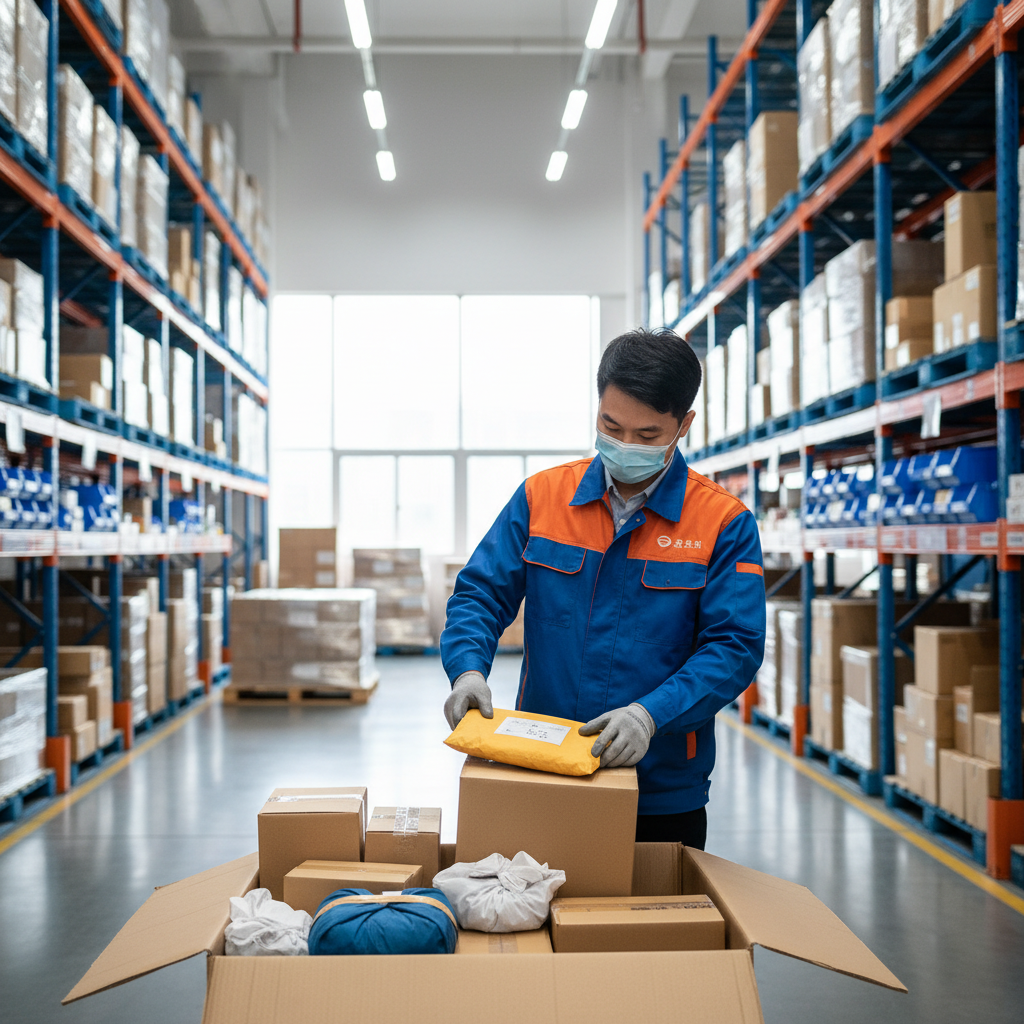
Ceramics are inherently risky. A single hairline crack or a tiny glaze pop can turn a premium product into unsellable deadstock. When sourcing through CNGoodsBuy, we act as your eyes on the ground to ensure your investment is protected.
Critical Inspection Points:
- Glaze Uniformity: Check for bubbles, pinholes, or “orange peel” texture that ruins the premium feel.
- Bottom Grinding: Ensure the base of the plates is sanded smooth so they don’t scratch your customers’ wooden tables.
- Color Consistency: Comparing samples against the bulk order to ensure the ‘Sage Green’ you ordered hasn’t turned into ‘Forest Green’.
- Weight and Feel: Premium ceramics should have a satisfying heft. Lightweight, thin walls often feel cheap and break easily.
Shipping and Consolidation: How CNGoodsBuy Minimizes Breakage
The biggest deterrent for resellers sourcing ceramic dinnerware from 1688 is the fear of receiving a box of shards. Furthermore, ceramics are heavy, making shipping costs a significant part of your calculation. CNGoodsBuy solves both of these issues through specialized handling.
The ‘Double-Box’ and Palletization Strategy
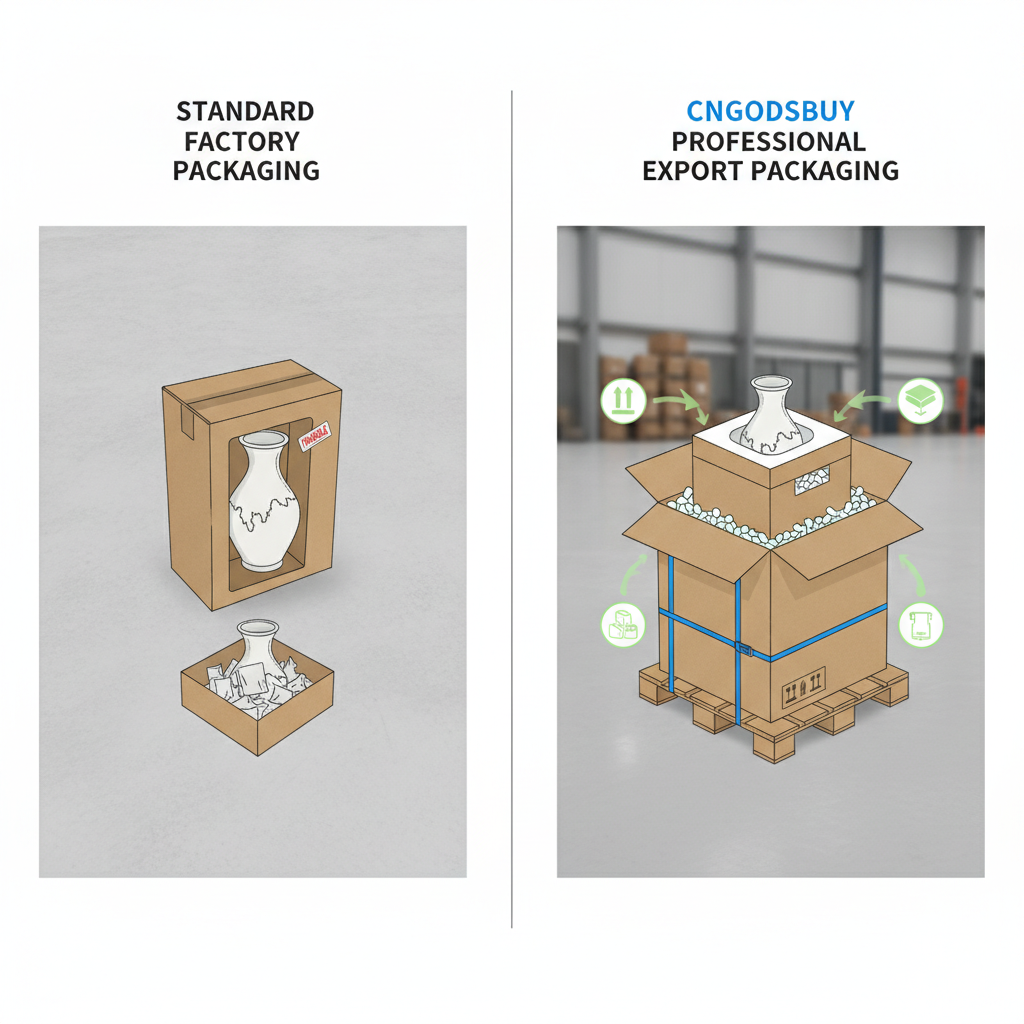
Standard factory packaging is often designed for domestic trucking, not international sea or air freight. We recommend (and can facilitate) the following:
- Inner Box Reinforcement: Ensuring each set is in a sturdy inner box with EPE foam or high-density cardboard dividers.
- The Drop Test: We can perform basic drop tests at our warehouse to ensure the packaging is sufficient for the final mile delivery.
- Palletization: For larger orders, placing your boxes on a pallet and shrink-wrapping them significantly reduces the chance of individual boxes being tossed or crushed during transit.
Optimizing Shipping Costs
Since ceramics are dense, you will usually hit the actual weight limit before the volumetric limit. To balance this, we recommend consolidating your heavy ceramics with lighter-weight items (like linen napkins or dried floral decor). This optimizes your shipping container space and lowers the average shipping cost per unit.
Calculating Your Profit Margins: 1688 Sourcing vs. Local Wholesale
Let’s look at a typical scenario for a 16-piece dinnerware set (4 place settings):
| Cost Component | Local US/EU Wholesaler | 1688 Sourcing (via CNGoodsBuy) |
|---|---|---|
| Unit Cost (16-pc set) | $45.00 | $14.50 (approx. 105 RMB) |
| Shipping & Customs | $5.00 (Domestic) | $12.00 (Sea Freight + Duty) |
| Total Landed Cost | $50.00 | $26.50 |
| Retail Price | $120.00 | $120.00 |
| Gross Profit per Set | $70.00 | $93.50 |
By sourcing directly, you increase your profit per set by over 30%. On a shipment of 100 sets, that is an extra $2,350 in your pocket—more than enough to cover your marketing and branding expenses.
Ready to Scale Your Boutique?
Sourcing premium ceramics doesn’t have to be a gamble. With the right factory filters on 1688 and a dedicated partner like CNGoodsBuy to handle the inspection and logistics, you can build a high-margin home decor brand that stands out for its quality and aesthetic appeal.
Start your sourcing journey today. Use our Manual Order Service to get a quote on your favorite 1688 ceramic finds. Simply paste the link, and we’ll handle the rest—from negotiation to safe delivery at your doorstep.
Frequently Asked Questions
A: Many 1688 factories have surprisingly low MOQs, often as low as 2–10 pieces for stock items. However, for custom colors or branding (logo printing), MOQs typically range from 200 to 500 pieces.
A: While CNGoodsBuy uses professional packing techniques, we always recommend purchasing shipping insurance for fragile goods. If you use our consolidation service, we can also add extra wooden crating for high-value ceramic orders.
A: Absolutely. We encourage ordering samples to check the glaze finish and weight. CNGoodsBuy can collect samples from multiple 1688 sellers and send them to you in one consolidated package to save on international shipping.