Sourcing Professional-Grade Content Creator Gear and Studio Lighting from 1688: A Profit Guide for Tech and Media Resellers
The global creator economy is no longer a niche market; it is a multi-billion dollar powerhouse. From YouTubers and TikTokers to professional corporate media houses, the demand for high-quality studio lighting, crystal-clear audio gear, and ergonomic camera rigging has skyrocketed. For tech resellers and media equipment distributors in the West, this represents a massive opportunity. However, the secret to high margins doesn’t lie in domestic wholesaling—it lies in sourcing content creator gear from 1688.
While platforms like Amazon and specialized photo retailers are flooded with brands like Godox, Aputure, and DJI, many of these products (or their high-quality OEM equivalents) originate from the industrial hubs of Shenzhen and Ningbo. By using CNGoodsBuy to navigate 1688, resellers can bypass the “brand tax” and source professional-grade equipment at a fraction of the cost. This guide explores how to identify top-tier gear, verify technical specifications, and navigate the logistics of importing sensitive electronics.
The Booming Creator Economy: Why Studio Lighting and Audio Gear are High-Margin Resale Opportunities
The disparity between the manufacturing cost of a professional LED video light and its retail price in the US or Europe is often as high as 300% to 500%. This gap exists because of heavy marketing spend, distribution overheads, and brand positioning. For a reseller, 1688 offers a direct line to the original equipment manufacturers (OEMs) who produce these units.
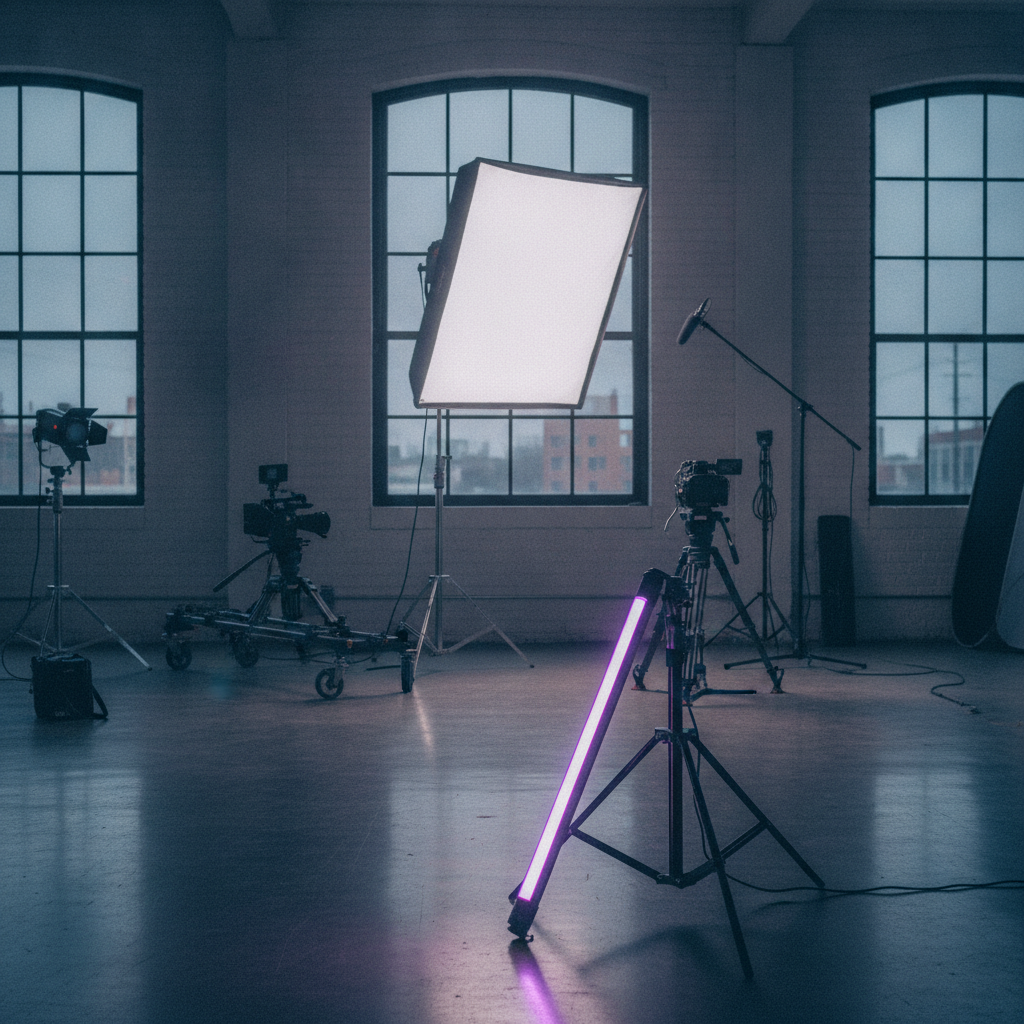
Content creator gear is particularly lucrative because it sits at the intersection of consumer electronics and professional tools. Unlike low-cost consumer gadgets, pro-sumer gear maintains a high perceived value. A wireless lapel microphone system that costs $40 on 1688 can easily retail for $120+ once it is branded, quality-checked, and backed by local support. By focusing on high-ticket items like RGB tube lights, COB (Chip on Board) studio lights, and multi-channel wireless audio, resellers can maintain healthy margins even after accounting for international shipping and marketing.
Identifying Top-Tier Manufacturers: Sourcing RGB LED Tube Lights, Wireless Mic Systems, and Softboxes
1688 is a vast ecosystem, and finding the right supplier requires more than a simple search. To find professional-grade gear, you must look beyond the flashy marketing images and focus on supplier credentials and product specifications.
1. RGB LED Tube Lights and COB Lighting
When searching for lighting, use terms like “摄影灯” (Photography Light) or “影视灯” (Film/TV Light). Look for suppliers located in Shenzhen or Zhongshan. These regions are the heart of China’s LED industry. Specifically, look for manufacturers that list “COB” technology, as these are the standard for high-output studio lighting. High-end suppliers will often provide photometric data (lux at 1 meter) and thermal management details.
2. Wireless Lapel Microphones
Audio gear is more technically demanding. Search for “无线麦克风” (Wireless Microphone) and look for “2.4G” or “UHF” specifications. The best manufacturers in this space are often found in Enping or Shenzhen. Pay close attention to the signal-to-noise ratio (SNR) and the inclusion of features like real-time monitoring and safety channel recording.
3. Professional Softboxes and Modifiers
Lighting modifiers like octaboxes and lanterns are high-volume but lightweight items. Search for “柔光箱” (Softbox). The key here is the quality of the reflective material and the durability of the speedring (the part that attaches to the light). Sourcing these alongside your lights allows for “kit bundling,” which significantly increases the average order value for your customers.
Technical Due Diligence: Using Your Buying Agent to Verify Quality
One of the biggest risks when sourcing content creator gear from 1688 is spec inflation. A seller might claim a light has a CRI (Color Rendering Index) of 98 when it is actually 85. For professional creators, this difference is catastrophic. This is where CNGoodsBuy becomes your most valuable asset.
Verifying CRI and TLCI Ratings
Color accuracy is the most important metric for studio lighting. CRI (Color Rendering Index) and TLCI (Television Lighting Consistency Index) must be high (95+) to avoid green or magenta tints on skin tones. You can instruct your CNGoodsBuy agent to request official testing reports from the manufacturer or, for large orders, arrange for a third-party inspection at the warehouse to verify the light output with a spectrometer.
Battery Certifications and Build Quality
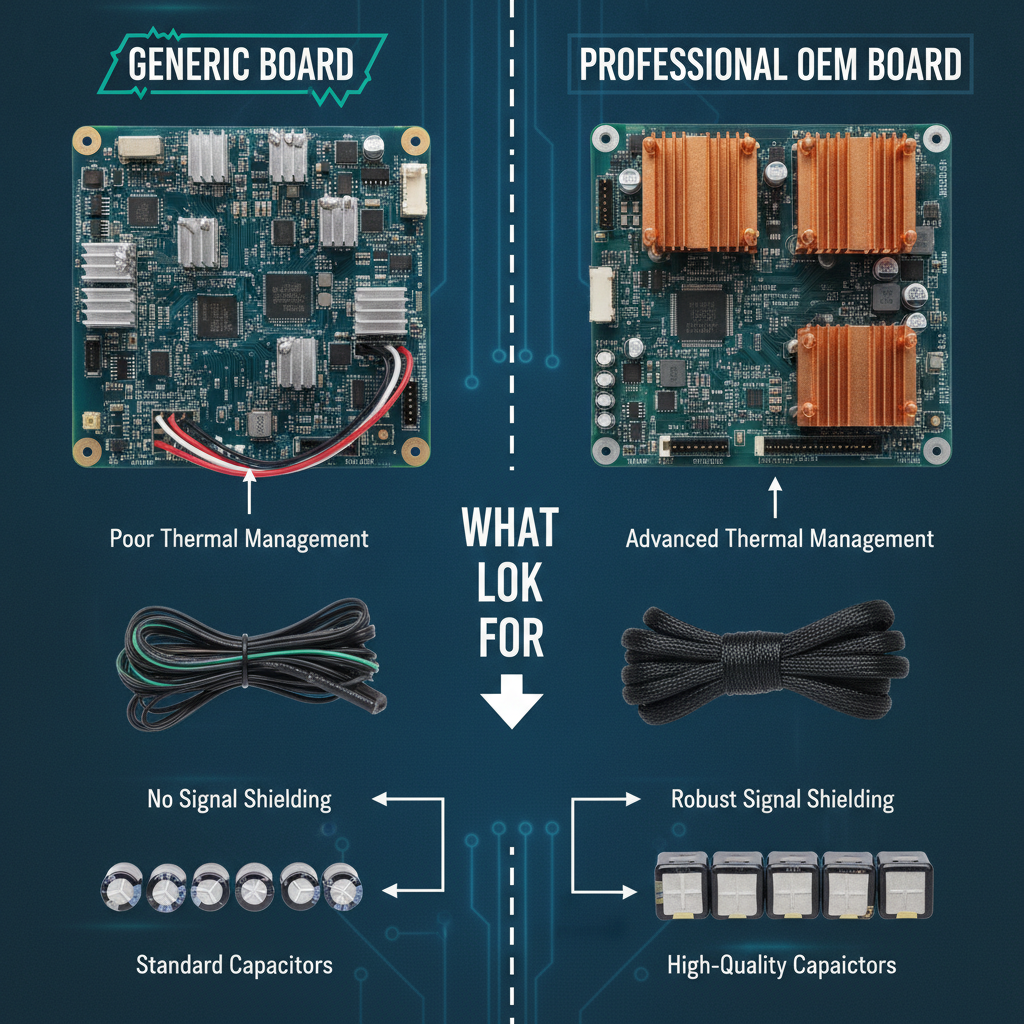
Many creator tools are portable and contain high-capacity lithium-ion batteries. You must ensure these batteries are safe and certified (CE, RoHS, UN38.3). Your agent can verify these certificates before you commit to a bulk purchase. Additionally, ask for high-resolution photos of the internal build quality—specifically the heat sinks in LED lights and the soldering on microphone circuit boards.
Navigating Logistics: Shipping Electronics and Consolidating Fragile Gear
Sourcing electronics from China involves navigating complex shipping regulations, particularly regarding internal batteries and fragile components.
- Internal Batteries: Products like wireless mics and portable RGB lights contain lithium batteries, which are classified as “sensitive goods.” CNGoodsBuy offers specialized shipping lines that are equipped to handle battery-powered electronics safely and legally, ensuring your shipment isn’t seized by customs.
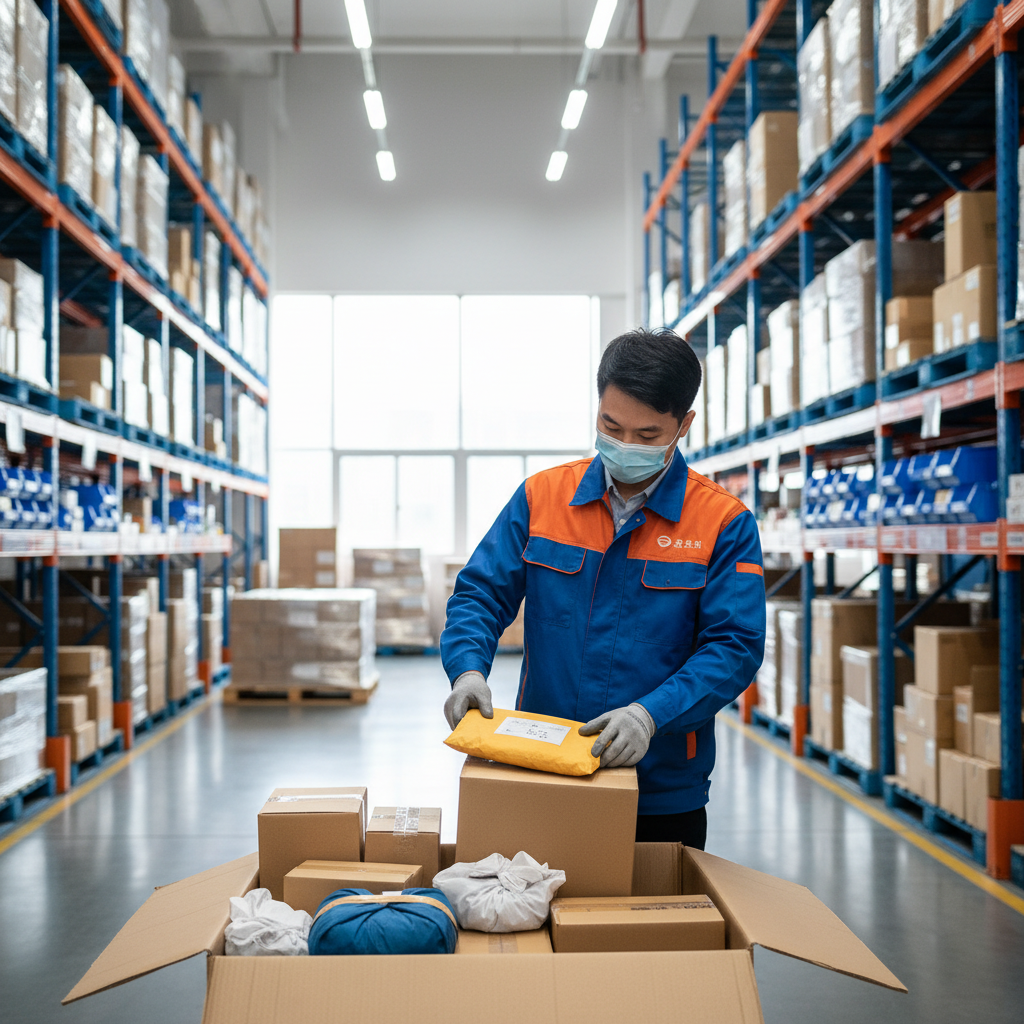
- Fragile Equipment: Studio lights often contain glass elements or COB chips that are sensitive to impact. Softboxes are bulky. By using a consolidation service, you can have your agent repackage items into sturdier, double-walled export cartons with sufficient foam padding. This reduces the risk of transit damage and optimizes the dimensional weight to lower shipping costs.
- Customs Documentation: Professional media gear can sometimes attract higher scrutiny. Ensure your agent provides accurate HS codes (Harmonized System codes) on the commercial invoice to avoid delays and ensure you are paying the correct duty rates.
Maximizing Profit: How to Use CNGoodsBuy Manual Orders for Bulk Customization
If you want to move from being a simple reseller to a brand owner, you need to utilize CNGoodsBuy Manual Orders. Standard automated scraping tools often fail when dealing with complex B2B requests like OEM branding.
By placing a manual order, you can communicate specific requirements through your agent, such as:
- Private Labeling (Silk-screening): Adding your logo to the light body or microphone casing.
- Custom Packaging: Designing a retail-ready box that meets Western aesthetic standards and includes your brand’s manual in English.
- Firmware Customization: For advanced electronics, some 1688 manufacturers can customize the startup screen or menu language of the device.
- Bulk Pricing Negotiations: 1688 listed prices are often just a starting point. For orders of 50 units or more, your CNGoodsBuy agent can negotiate directly with the factory to secure lower per-unit costs or better payment terms.
Conclusion
Sourcing content creator gear from 1688 is the ultimate “pro move” for media tech resellers. It allows you to offer professional-grade equipment that competes with major brands while maintaining the margins necessary to scale your business. By leveraging the expertise of a dedicated agent like CNGoodsBuy, you can overcome the hurdles of technical verification, battery logistics, and custom branding.
Ready to start building your media gear brand? Submit a Manual Order today and let us help you bridge the gap between 1688 manufacturers and your target market.
Frequently Asked Questions
Q: Can I trust the technical specs on 1688 for professional audio gear?
A: Not always. Many sellers use “copy-paste” specs. Always use an agent to request real-world testing data or a sample before placing a bulk order. For audio gear, specifically check for frequency response charts and SNR ratings.
Q: Is it possible to ship large studio softboxes cheaply?
A: Softboxes have high dimensional weight. The best strategy is to ship them “flat-packed” and consolidate them with heavier items like light stands or batteries to balance out the shipping density and lower the overall cost per kilogram.
Q: How do I handle warranty claims for electronics sourced from 1688?
A: Since returning items to China is expensive, the best approach is to negotiate a “spare parts” percentage (usually 1-2%) with the supplier through your agent. This provides you with the components needed to handle basic repairs locally for your customers.