Sourcing High-Margin Minimalist Kitchenware and Coffee Accessories from 1688: A Guide for Lifestyle Boutique Owners
The global shift toward the “aesthetic lifestyle” has transformed the humble kitchen from a utility space into a curated sanctuary. Driven by social media trends like #HomeCafe and #SlowLiving, consumers are increasingly willing to pay a premium for kitchenware that looks as good as it functions. For lifestyle boutique owners and e-commerce entrepreneurs, this presents a massive opportunity: sourcing high-quality, minimalist kitchenware and specialty coffee gear directly from the source—1688.com.
While 1688 is the primary engine behind global supply chains, navigating it for high-end aesthetic goods requires a different strategy than sourcing generic commodities. In this guide, we will explore how to identify high-margin opportunities, vet suppliers for quality, and use CNGoodsBuy to ensure your fragile inventory arrives safely and cost-effectively.
The Profit Potential of Aesthetic Kitchenware: Why Minimalist Design Sells
In the Western market, a minimalist ceramic mug or a matte black gooseneck kettle can retail for $35 to $65. On 1688.com, those same items are often manufactured for between $3 and $8. The value proposition isn’t just in the utility; it’s in the design language—clean lines, neutral palettes, and tactile materials.
Minimalist kitchenware commands higher margins because it fits into the “affordable luxury” category. Customers aren’t just buying a plate; they are buying an Instagrammable breakfast experience. By sourcing kitchenware from 1688, you bypass multiple layers of wholesalers and distributors, allowing you to capture a significant portion of that retail markup while maintaining competitive pricing.
Top 1688 Product Categories: From Pour-Over Coffee Sets to Ceramic Tableware
To build a successful boutique collection, focus on these trending categories that currently dominate the lifestyle market:
1. Specialty Coffee Gear
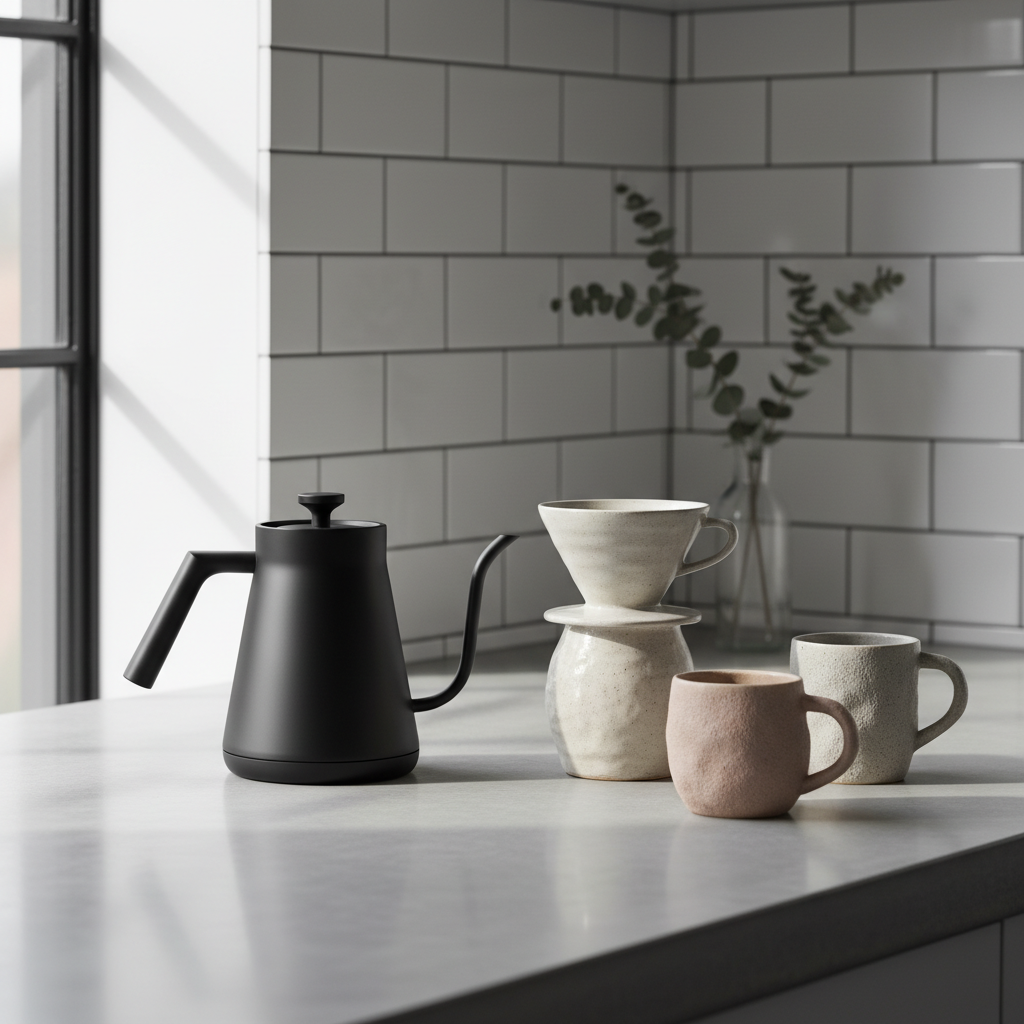
The “Home Cafe” trend has exploded. Look for borosilicate glass drippers, heat-resistant carafes, and precision-pour kettles. 1688 is home to factories that produce for world-renowned coffee brands. Focus on matte finishes (black, white, or cream) and natural wood accents like walnut or oak handles.
2. Matte-Finish Ceramics
Move away from high-gloss, mass-produced looks. The current trend favors “wabi-sabi” aesthetics—irregular shapes, stone-like textures, and muted tones like sage green, oatmeal, and charcoal. These items feel artisanal and handmade, allowing for higher price points.
3. Sustainable Wood and Bamboo Tools
Acacia wood serving boards, bamboo utensil organizers, and minimalist bread boxes are staples of the modern kitchen. These items add warmth to the minimalist aesthetic and appeal to eco-conscious consumers.
4. Borosilicate Glassware
Double-walled glasses and ribbed glassware are incredibly popular for iced coffee and cocktails. They are lightweight, durable, and offer a high perceived value due to their unique optical properties.
How to Identify High-Quality Suppliers and Avoid ‘Cheap’ Material Risks
Sourcing from 1688 requires a discerning eye. Because it is a domestic Chinese marketplace, quality varies wildly. Here is how to filter for the best:
- Look for “Source Factory” (源头工厂) Icons: These suppliers are actual manufacturers rather than trading companies. They usually offer better customization (OEM) and lower prices.
- Check the “Powerful Seller” (实力商家) Badge: This indicates the supplier has undergone third-party verification and maintains a higher standard of business operations.
- Verify Food-Grade Certifications: When sourcing kitchenware from 1688, ask for LFGB (European) or FDA (US) compliance reports. High-quality factories producing for export will have these readily available.
- Analyze the “Return Rate”: A high repeat purchase rate on 1688 indicates that other professional buyers are satisfied with the product quality over time.
Avoid suppliers whose prices seem impossibly low. In the world of ceramics and glass, “cheap” often means lead-based glazes or thin, fragile glass that will shatter during international transit.
The CNGoodsBuy Advantage: Quality Inspection for Fragile Ceramics and Glassware
The biggest hurdle in sourcing kitchenware is the fragility of the items. A 20% breakage rate can instantly wipe out your profit margins. This is where CNGoodsBuy becomes your most valuable partner.
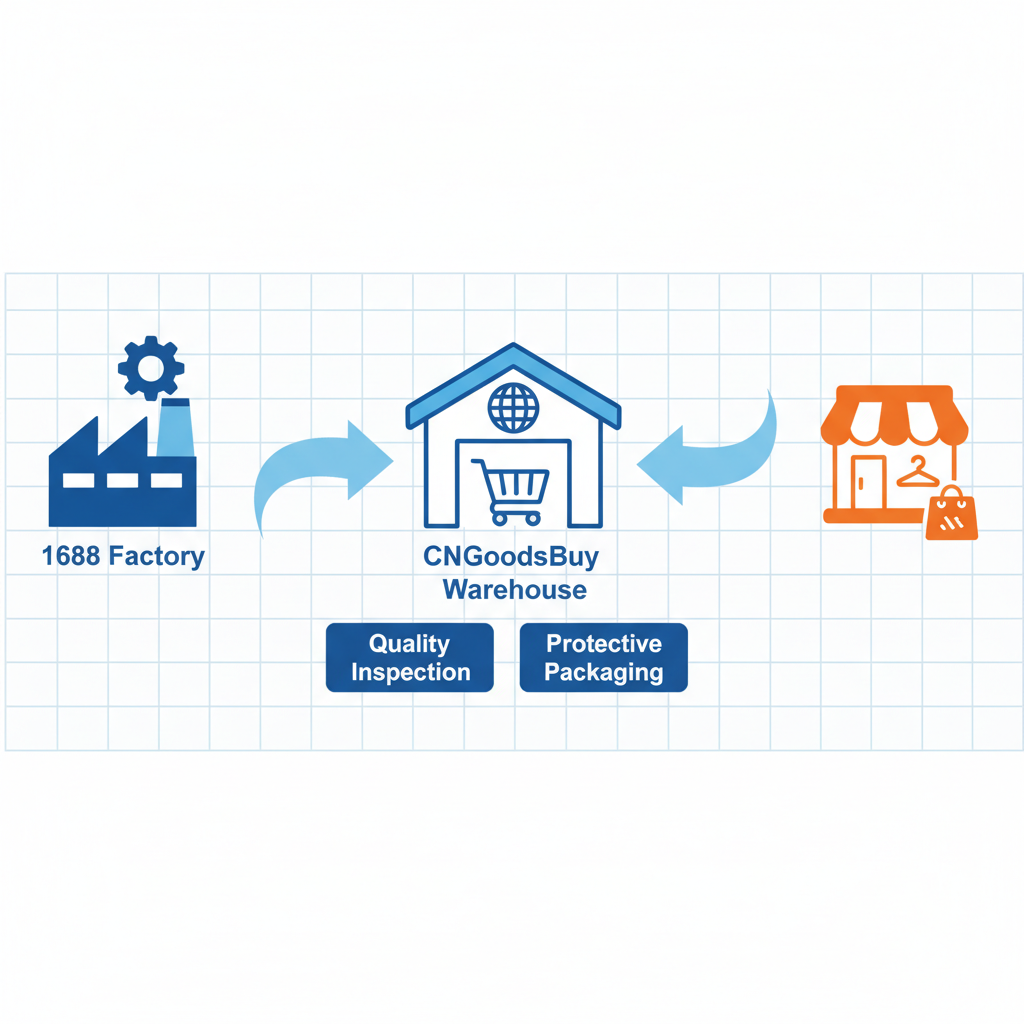
When you use our Manual Order service, we act as your boots on the ground in China. Our process includes:
Detailed Quality Inspection
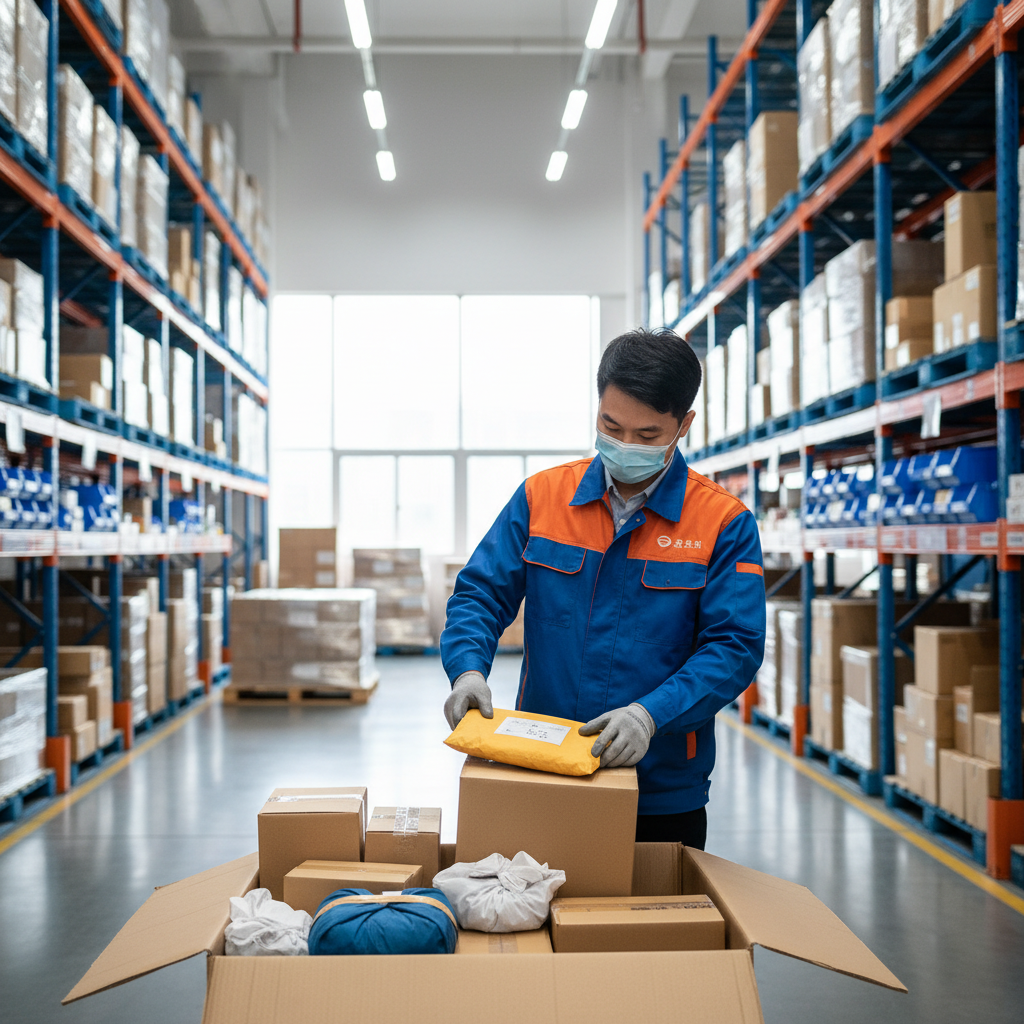
Our warehouse team doesn’t just count boxes. We inspect for chips in ceramics, scratches on glass, and wobbles in wooden bases. If a product doesn’t meet your standards, we handle the domestic return to the 1688 seller immediately, saving you from receiving defective stock overseas.
Customized Protective Packaging
Standard factory packaging is often designed for domestic trucking, not international shipping. CNGoodsBuy offers enhanced packaging options, including bubble wrapping individual items, adding foam corner protectors, and utilizing double-walled corrugated boxes or wooden crates for high-value ceramic sets.
Consolidation Services
Kitchenware is often heavy or bulky. By consolidating orders from multiple 1688 suppliers into a single shipment at our warehouse, we help you reduce the overall shipping cost per unit, which is critical for maintaining high margins.
Calculating Landed Costs: Shipping Consolidation Strategies for Heavy Kitchen Items
To understand your true profit, you must calculate the “landed cost”—the price of the item plus sourcing fees, shipping, and customs duties. Kitchenware presents a unique challenge because ceramics are heavy (increasing actual weight costs) and glassware is bulky (increasing volumetric weight costs).
Pro Tip: Mix your shipment. If you are shipping heavy ceramic plates, fill the gaps in the box with lighter items like linen napkins or silicone seals. This optimizes the space you are already paying for.
At CNGoodsBuy, we offer various shipping lines—from fast air express to economical sea freight. For heavy kitchenware orders, sea freight (LCL – Less than Container Load) is often the most viable way to keep your landed cost low enough to compete with major retailers.
Frequently Asked Questions
Is it safe to buy food-contact items from 1688?
Yes, provided you vet the supplier. Many 1688 factories are the same ones manufacturing for major Western brands. Always request material safety data sheets (MSDS) or food-grade certifications (FDA/LFGB) before placing a large order. Using a service like CNGoodsBuy allows you to request specific photos of these certifications from the supplier.
What is the minimum order quantity (MOQ) for 1688 kitchenware?
One of the benefits of 1688 is the low MOQ. Many factories allow you to buy as few as 2-10 pieces. This is perfect for boutique owners looking to test new designs without committing to a full container.
How do I handle broken items?
Prevention is better than a refund. By using CNGoodsBuy’s inspection and reinforced packaging services, you significantly reduce the risk. If an item arrives broken despite these measures, having high-quality photos from our warehouse inspection can help in insurance claims or negotiations with the seller.
Start Sourcing Your Lifestyle Collection Today
The demand for beautiful, functional kitchenware isn’t slowing down. By sourcing kitchenware from 1688, you gain access to the world’s most diverse catalog of minimalist designs at factory prices. Don’t let the language barrier or logistics complexity hold you back.
Ready to build your brand? Use our Manual Order service to start sourcing premium kitchenware and coffee accessories today. Simply send us the 1688 links, and we will handle the purchasing, inspection, and international shipping for you.